What to Know Before Trying Phototherapy Patches for Pain Relief
People considering new pain relief solutions want clear, practical guidance before committing—especially with technologies that sound cutting-edge but may not be familiar. At Elevate Med and Aesthetics, serving Central Plantation, many clients come to us with questions about phototherapy patches. These innovative devices use specific wavelengths of light to help ease discomfort, improve energy, or reduce inflammation, all without pills or injections.
If you’re exploring phototherapy patches as an alternative to chronic pain medications or traditional therapies, it’s important to evaluate the science, the experience, and what kind of outcomes are actually realistic. Having an expert walk you through what to expect, both in terms of effectiveness and limitations, can give you peace of mind and keep you from disappointment.
In This Article:
- How Phototherapy Patches Work for Pain
- Are Phototherapy Patches Effective for Pain Management?
- What to Consider Before Your First Session
- Questions to Ask Your Provider
- Navigating New Solutions with Confidence
How Phototherapy Patches Work for Pain
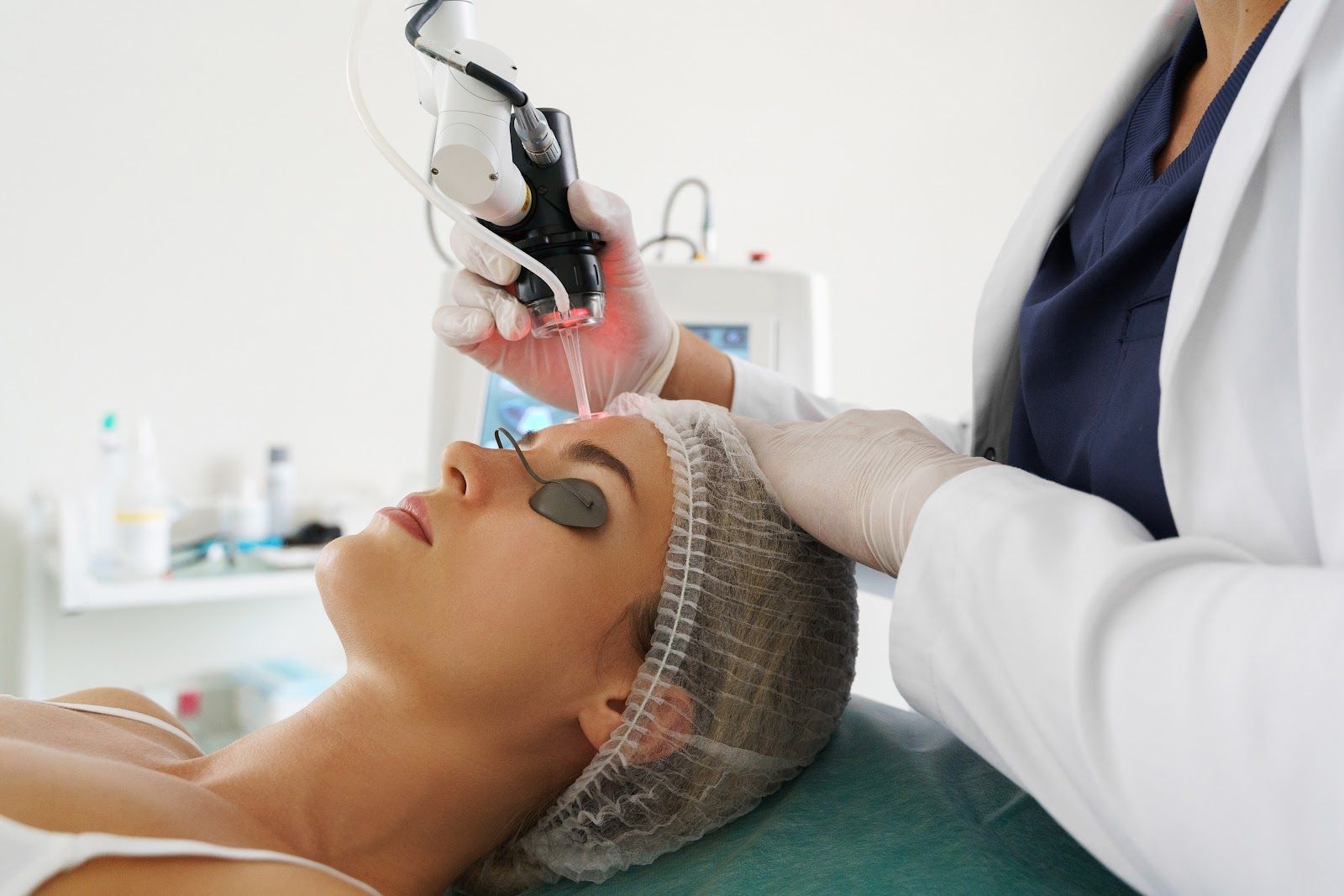
Phototherapy patches emit controlled light energy that penetrates the skin and triggers the body’s cellular repair processes. The targeted wavelengths stimulate natural healing and can boost stem cell activity, promoting better tissue recovery and reducing inflammation.
For Central Plantation residents, this method is appealing because it’s non-invasive and doesn’t interfere with your daily activities. At Elevate Med and Aesthetics, we customize the application based on your unique pain pattern and area of discomfort, ensuring safety and precision at every step.
Are phototherapy patches effective for pain management?
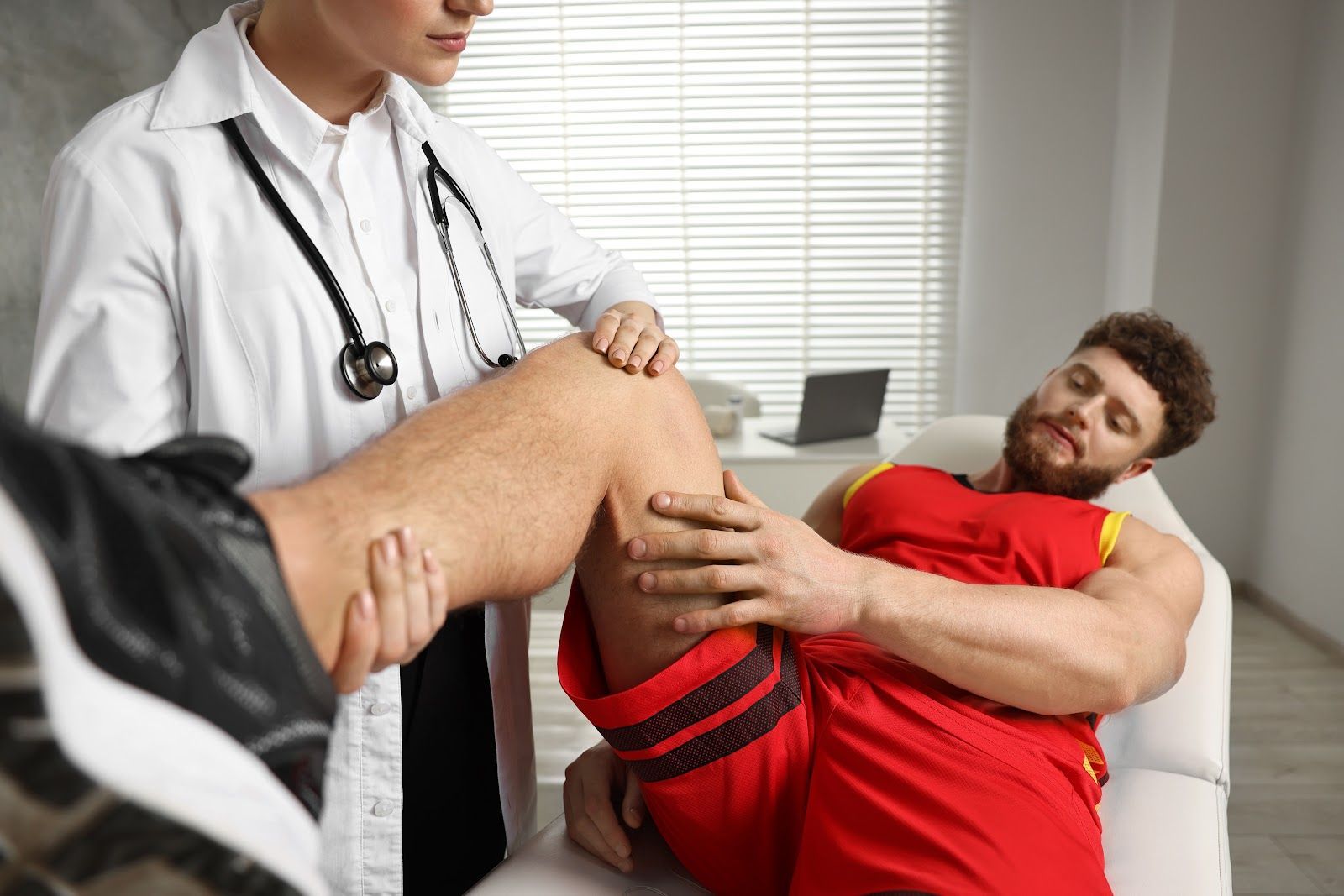
Phototherapy patches have demonstrated real benefit for certain pain conditions—especially those involving inflammation, mild neuropathy, or musculoskeletal discomfort. Clinical research supports their use for short- and long-term management, though results depend on the severity of your symptoms and the underlying cause.
Key takeaway: While many clients report quick relief, phototherapy works best as part of a broader pain management plan. It is not a substitute for major injury treatment or surgical needs, but for those with chronic aches and mild pain, it offers a gentle option with very few side effects.
What to Consider Before Your First Session
Before scheduling your first patch session, make sure you’ve:
• Discussed your symptoms and history with a licensed provider
• Shared any ongoing medical concerns or medications
• Clarified the specific goals you want from treatment (pain rating, activity level, etc.)
• Asked about the expected duration and timing of patch applications
At Elevate Med and Aesthetics, clients are walked through a clear plan so there are no surprises. We always ensure the therapy matches your health profile and comfort level.
Questions to Ask Your Provider
• What conditions or pain types do you treat most often with phototherapy patches?
• How is progress measured and adjusted during treatment?
• Are there any risks or side effects with this method?
• What are realistic expectations for timeline and level of relief?
Getting answers specific to your situation helps you know you’re choosing the right path, and it keeps clinics accountable—especially given the rapid growth of new therapy companies around Central Plantation.
Navigating New Solutions with Confidence
Choosing a new pain relief approach can feel daunting, but the advances in light-based therapies offer real hope for well-chosen patients. If you’re in Central Plantation and looking for a safe, easy-to-use solution, booking a detailed consultation at Elevate Med and Aesthetics ensures your plan is targeted, science-backed, and built around your needs. Move forward with the confidence that comes from truly knowing your options.
Share This Blog