Clinical Facts About IV Exosome Therapy for Systemic Cellular Repair
Regenerative medicine often suffers from exaggerated marketing claims that obscure the actual biological science. Patients visiting Elevate Med and Aesthetics frequently ask about the latest advancements in cellular repair and longevity treatments. IV exosomes therapy is currently one of the most discussed treatments in the medical wellness space. However, much of what is shared online confuses the public about what these particles are and what they are truly capable of achieving.
To understand the value of this treatment, we must look past the buzz and examine the clinical mechanics of cellular communication. Exosomes are not magic cures or synthetic drugs. They are naturally occurring biological messengers that play a highly specific role in modulating inflammation and directing tissue repair at a microscopic level.
A quick guide to the sections below:
● Clinical definitions: Separating stem cells from exosomes
● Systemic delivery: How these messengers operate in the bloodstream
● Targeting inflammation: The biological repair process
● Frequently asked questions about cellular therapies
Separating the Marketing From the Microbiology
A common assumption is that exosomes are simply another type of stem cell. This is biologically incorrect. Stem cells are whole, living cells that have the potential to replicate and differentiate into various tissues. Exosomes are completely different structures. They are nano-sized extracellular vesicles secreted by cells, particularly mesenchymal stem cells.
Think of a stem cell as a manufacturing plant and an exosome as the instruction manual sent out by that plant. Because exosomes contain no DNA and are not living cells, they carry no risk of multiplying incorrectly or causing the type of immune rejection sometimes associated with whole-cell therapies. Their sole function is to transfer critical information, in the form of growth factors, messenger RNA, and specific proteins, to other cells in the body.
The Mechanisms of Systemic Cellular Repair
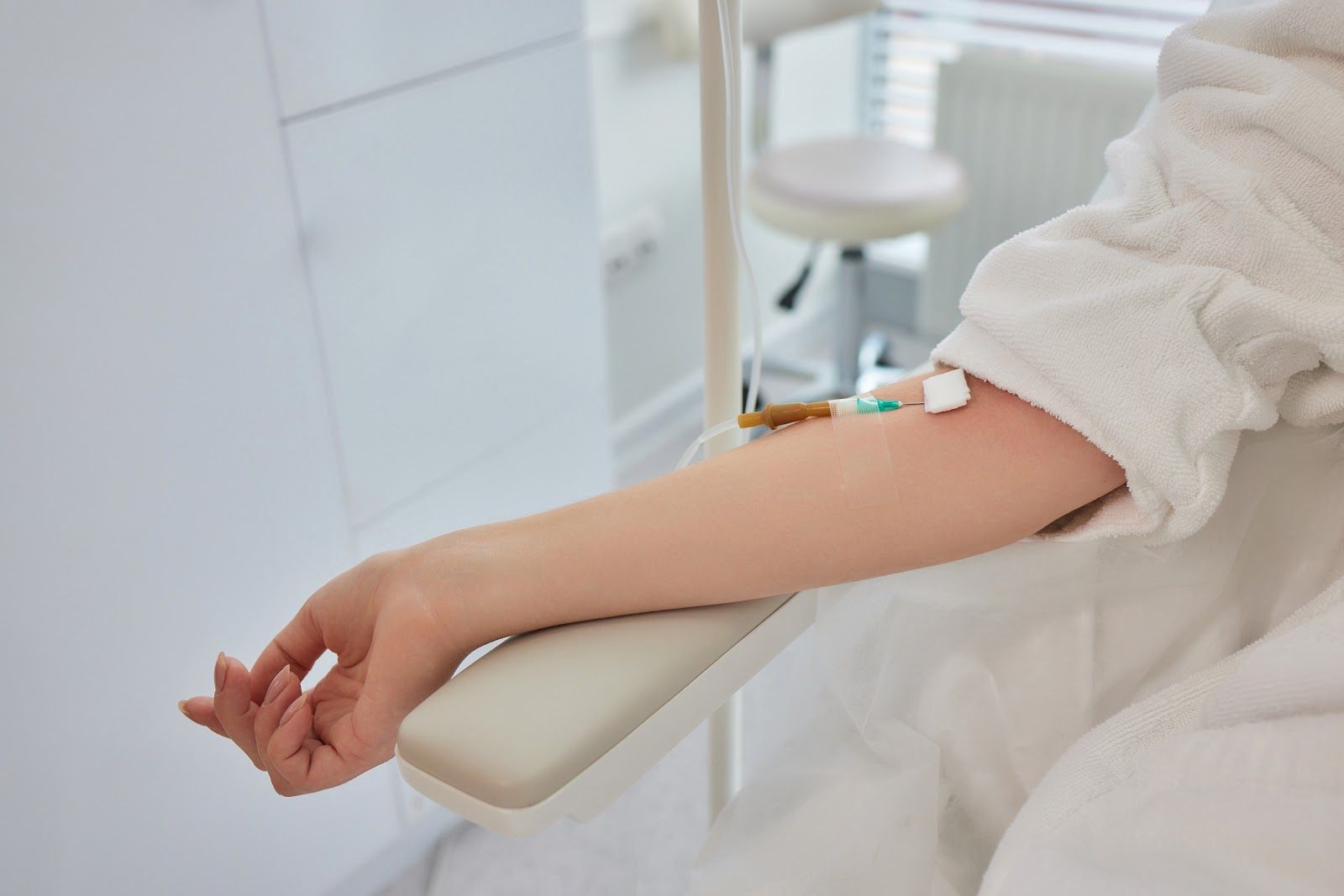
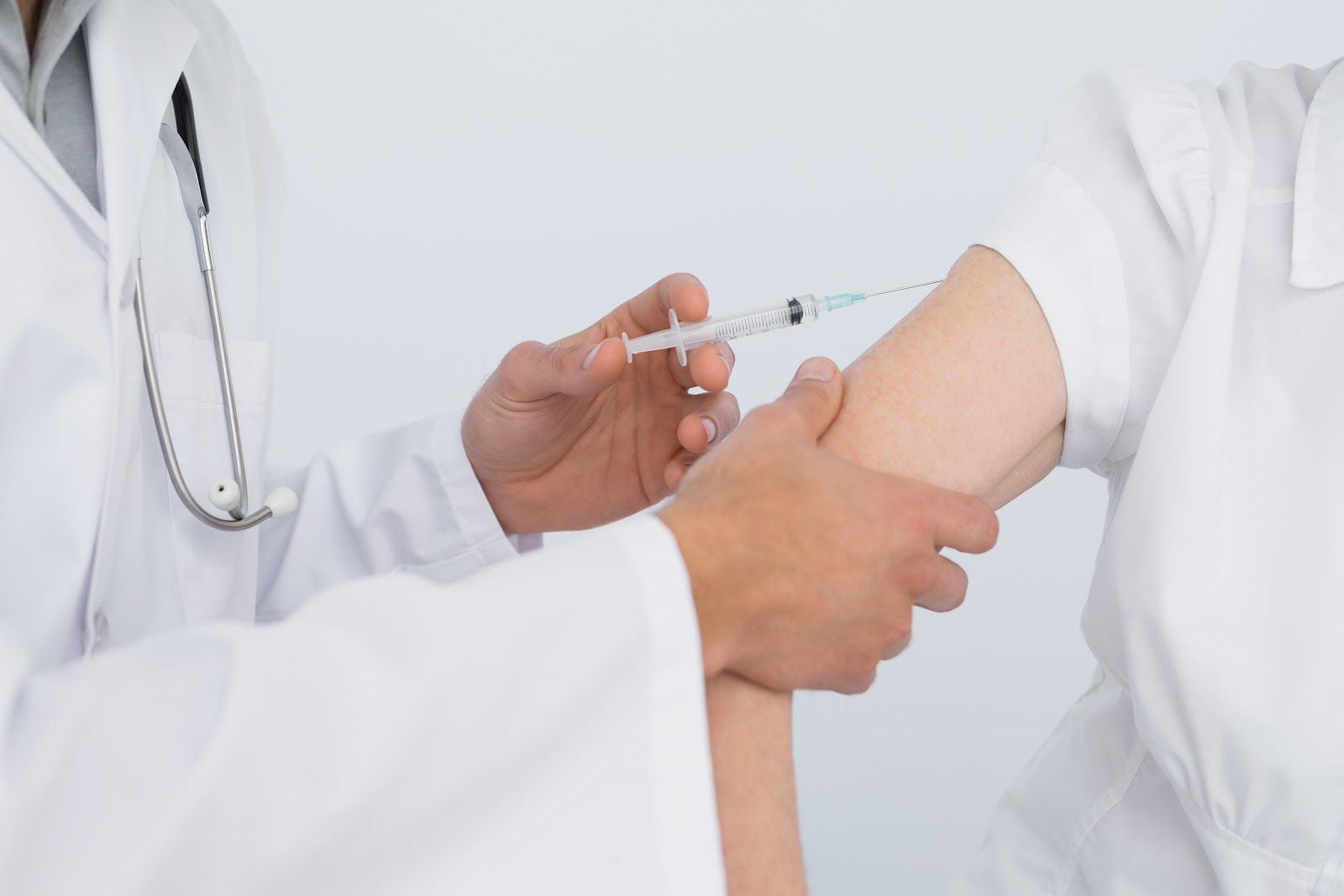
When patients research regenerative treatments, they often want to know exactly how IV exosomes actually work in the body. Once administered intravenously, these tiny vesicles circulate through your bloodstream. They possess a natural homing mechanism that draws them toward chemical signals emitted by damaged or inflamed tissues.
Upon reaching a site of inflammation, the exosome fuses with the target cell. It then releases its cargo of healing proteins and genetic instructions directly into the damaged cell. These proteins include anti-apoptotic factors that prevent cell death, as well as angiogenic factors that promote the formation of new blood vessels. By encouraging new blood vessel growth, the therapy improves local oxygen delivery to oxygen-starved tissues. This transfer of information effectively reprograms the recipient cell, telling it to downregulate inflammatory markers, increase the production of structural proteins, and accelerate its natural repair cycles.
Systemic Therapy Versus Localized Treatment
Understanding the difference between systemic and localized treatment is crucial for setting realistic clinical expectations. An intravenous infusion distributes the healing vesicles throughout the entire body to address systemic oxidative stress, general cellular fatigue, and widespread inflammation. It is a therapy designed for total body wellness and longevity support.
If a patient is dealing with a very specific, isolated injury like an acutely torn tendon or isolated joint degeneration, a localized treatment is usually the preferred clinical route. Orthopedic PRP therapy involves injecting platelet-rich plasma directly into a single damaged joint to trigger a concentrated, localized healing response. In many cases, systemic therapies and localized treatments like PRP or Peptide Therapy are utilized together to provide both broad cellular support and targeted tissue regeneration.
Frequently Asked Questions
How long does it take for these vesicles to work?
Cellular repair is a biological process that requires time. While some patients report feeling a boost in general vitality within a few days, the actual tissue regeneration and inflammation reduction processes take several weeks to unfold. Peak clinical benefits are typically observed three to four months after the infusion.
Are there safety concerns regarding immune rejection?
Because these vesicles do not contain a nucleus or DNA, they lack the specific markers that trigger a host immune rejection response. They are highly biocompatible and are generally considered safer than therapies utilizing foreign living cells.
How often is this therapy administered?
The frequency depends entirely on the patient's baseline health and clinical goals. Some individuals utilize the treatment once or twice a year for general longevity and anti-aging support. Those dealing with chronic inflammatory issues may require a more condensed initial treatment protocol.
Moving Forward With Evidence-Based Wellness
True regenerative health relies on proven biological mechanics rather than quick fixes. Understanding how cellular messengers actively reduce systemic inflammation allows you to make informed decisions about your long-term wellness strategy. Schedule a consultation with our medical staff to determine if your specific health goals align with this therapy.
Share This Blog